
Exploring Chicago Through Its Most Iconic Places

20 Feb 2026
Lake Michigan stretches along Chicago’s eastern edge, its shifting colours reflecting a skyline known around the world. Along the shoreline, runners pass cyclists, café patios fill with early conversation, and architecture rises in confident layers that trace the city’s long history of reinvention. Chicago carries a distinct energy, equal parts bold and welcoming, where historic landmarks stand comfortably beside contemporary design and neighbourhood traditions remain deeply rooted in everyday life.
What makes Chicago especially compelling is how its experiences layer together. A day can move easily from historic ballparks to reflective public art, from cinematic sound stages to comedy clubs that helped define modern humor. Each corner offers a different rhythm, yet the city always feels cohesive, stitched together by its neighborhoods, its lakefront, and its unmistakable sense of character.
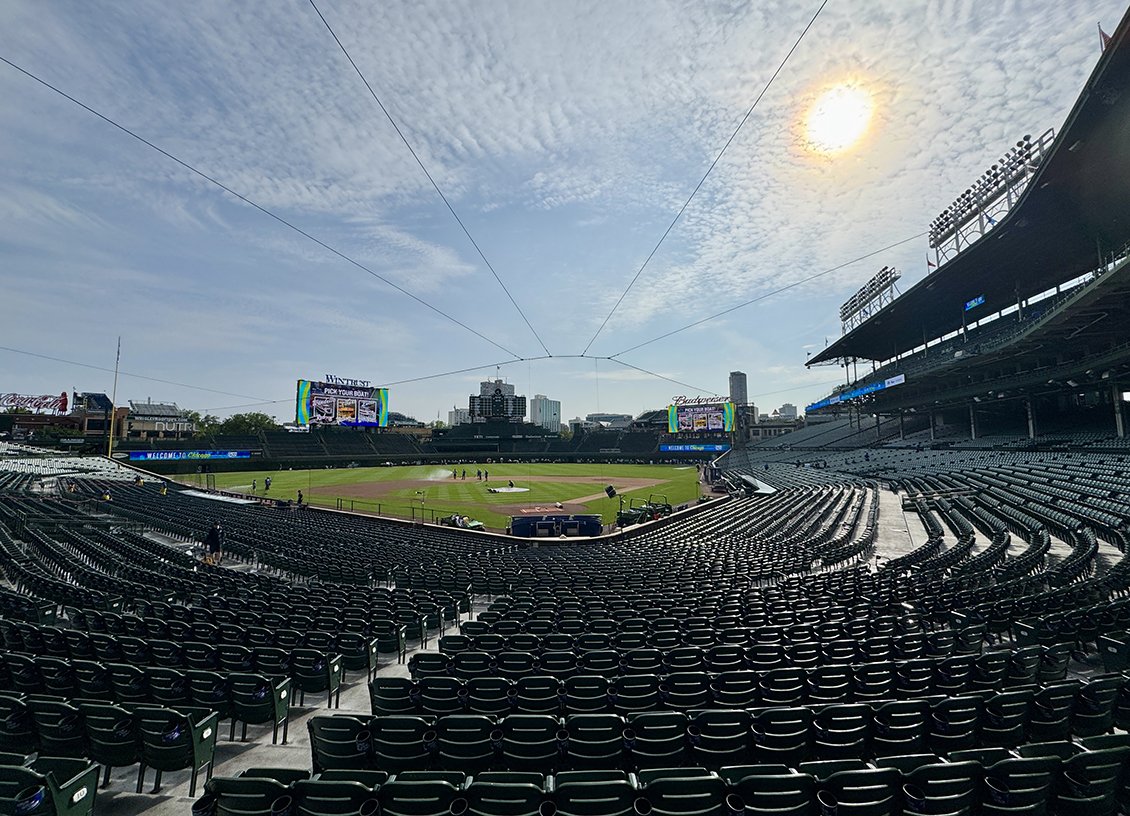
Catch a Chicago Cubs Game at Wrigley Field
Walk through the brick arches on Clark Street and feel the buzz rise before you even see the field. Grab a scorecard, climb the narrow concourse, and let that first glimpse of impossibly green ivy at Wrigley Field stop you in your tracks. The hand turned scoreboard stands tall in center field, unchanged in spirit, while the crowd hums with anticipation. Settle into a sun-warmed seat, listen to vendors call out for peanuts and cold drinks, and watch the neighbourhood skyline peek over the outfield walls.
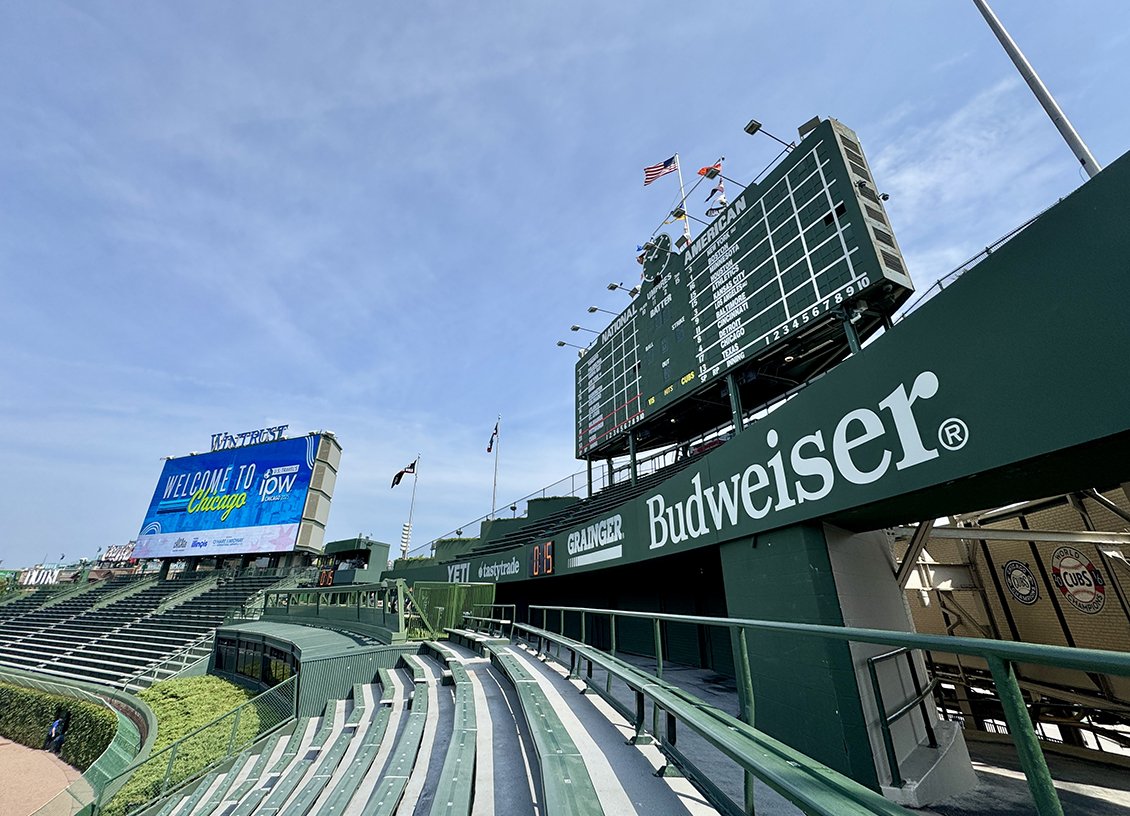
Order a Chicago-style hot dog and keep the ketchup off, then raise it as the organ kicks into a familiar tune. Cheer with strangers, track foul balls that arc into the stands, and feel the stadium sway when the Cubs string together a rally. Late afternoon light spills across the bleachers, casting long shadows that stretch toward home plate. Between innings, study the rooftop seats beyond the outfield and the fans waving from across the street, turning the whole block into part of the show.
Stick around when the last pitch lands in a glove. Join the crowd singing along as voices echo under the steel beams, then drift out to Wrigleyville’s lively sidewalks. Duck into a corner bar, replay the best moments over a local beer, and let the energy of the game carry into the night. Leave with the sense that you did more than watch baseball. You shared in a Chicago ritual that feels woven into the city’s everyday rhythm.
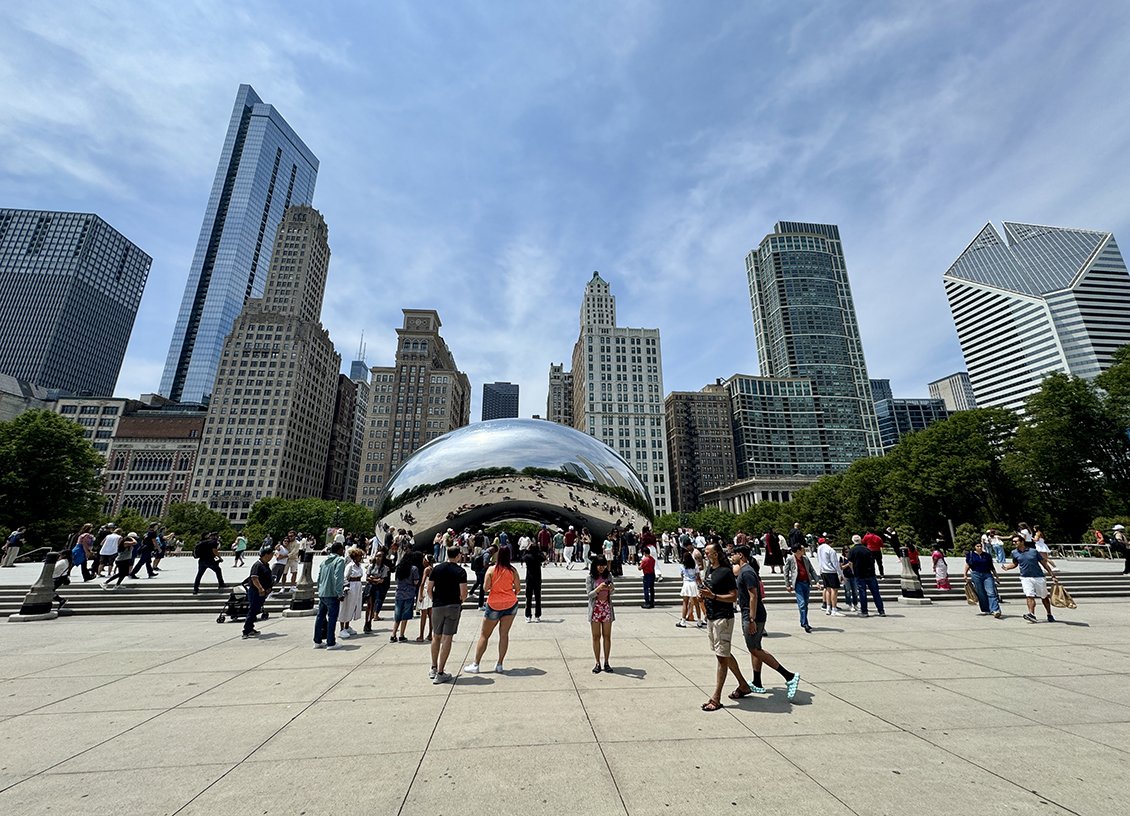
Visit Millennium Park and See Cloud Gate
Millennium Park opens like a breath of fresh air in the center of downtown. Skyscrapers frame the space, but the park itself feels open and welcoming, drawing office workers, families, and travelers into its paths. At its heart sits Cloud Gate, better known by its affectionate nickname, The Bean, a sculpture that has quietly become one of the city’s defining images.
The polished surface curves and bends the skyline into fluid shapes, reflecting clouds, glass towers, and the steady movement of people around it. Walking beneath the arching underside, the city seems to fold inward, creating an unexpectedly playful perspective. Touching the steel feels almost instinctive, as if confirming that the mirage is real. Depending on the season, the plaza below hosts outdoor dining or transforms into a skating rink, adding another layer to the scene. Cloud Gate captures Chicago’s personality with elegance and humor, serious about art but never distant from the people who gather around it.
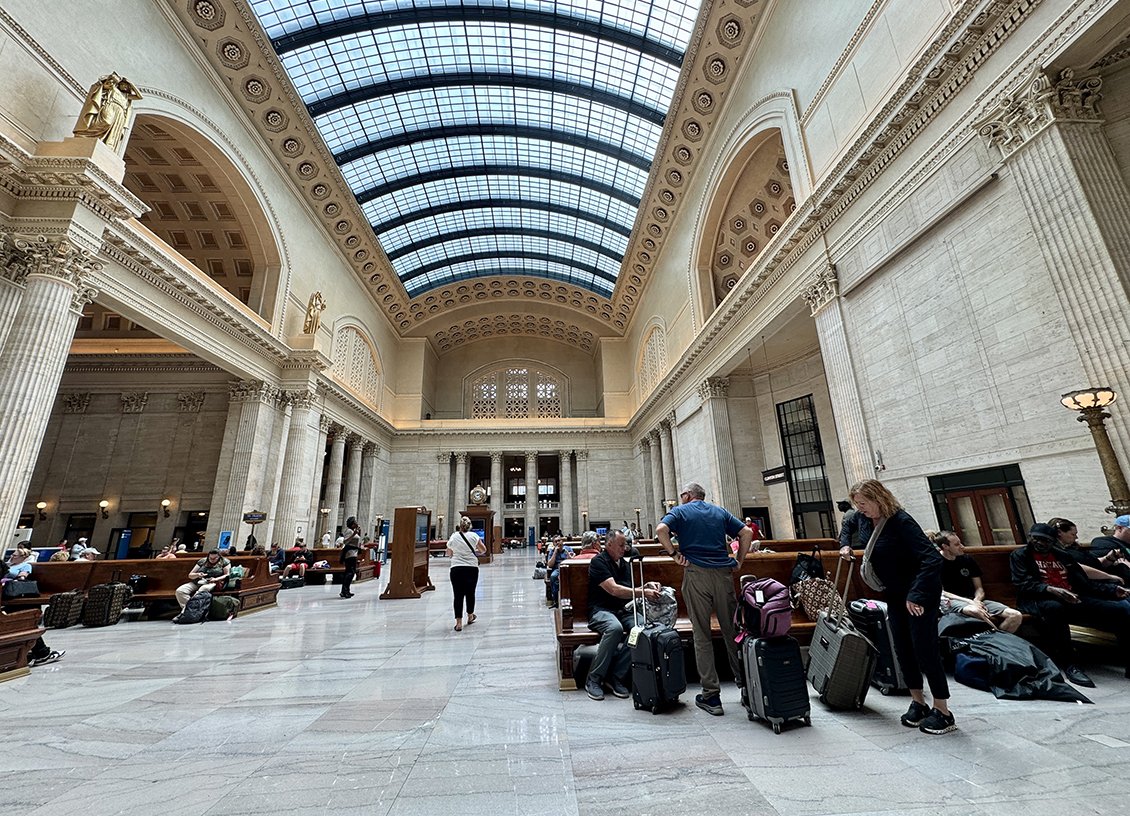
Discover the Architectural Wonder of Chicago Union Station
Few transportation hubs make an impression quite like Chicago Union Station. From the outside, its Beaux-Arts façade suggests dignity and permanence. Step inside, and the Great Hall opens overhead with soaring columns, marble floors, and a vaulted skylight that filters sunlight down onto the passing crowd.
Designed by Daniel Burnham and completed by Graham, Anderson, Probst and White, the station was built to match Chicago’s status as a national rail center. Even today, it hums with motion. Commuters stride through with purpose, travelers pause to admire the architecture, and quiet corners invite a moment of stillness. Watching the ebb and flow beneath the glowing ceiling feels almost cinematic. Union Station is not just a place to pass through. It stands as a reminder of how movement, design, and history converge in the city’s daily life.
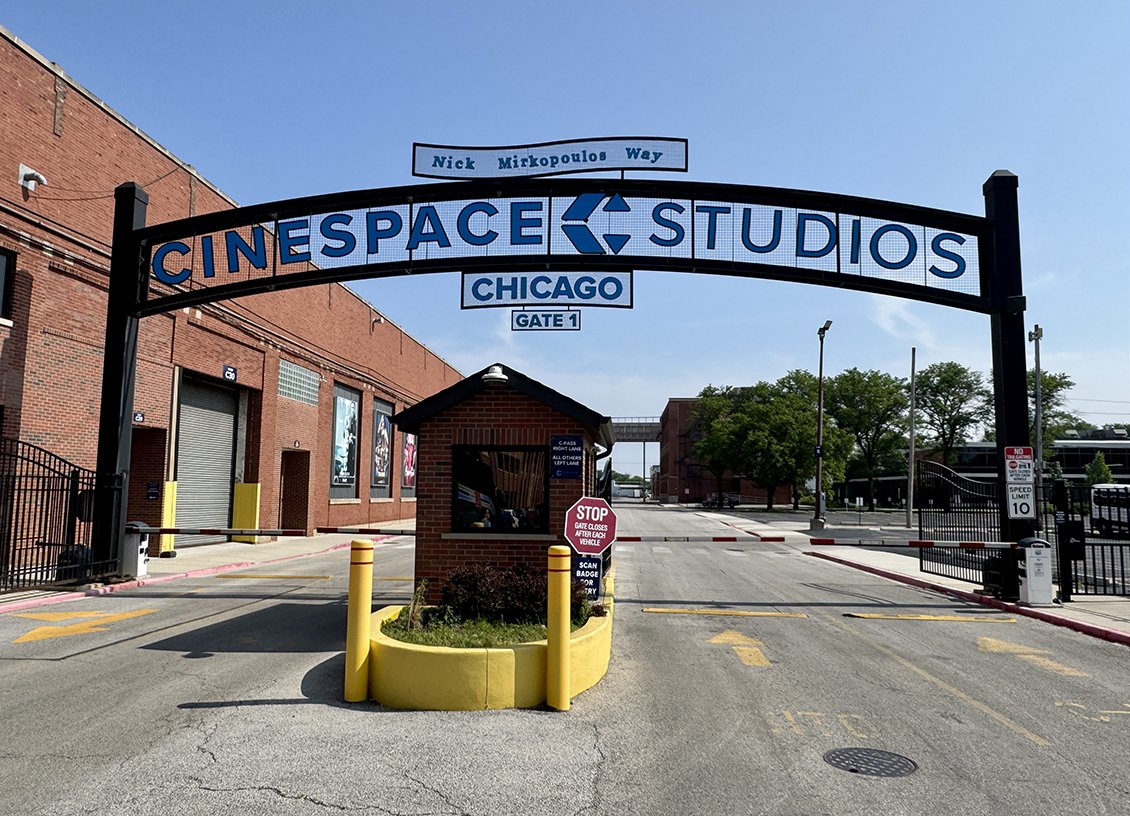
Step Inside the Cinematic World of Cinespace Studios
Chicago’s presence on screen feels tangible at Cinespace Studios, a sprawling production campus set on the former Ryerson Steel plant site. With 36 active sound stages, it ranks among the largest studio operators in the world and anchors much of the city’s television and film production. Shows like Chicago Fire, Chicago P.D., Chicago Med, and The Bear have transformed familiar streets into recognizable backdrops, while films such as Divergent, Widows, and Rampage brought the city’s texture to global audiences.
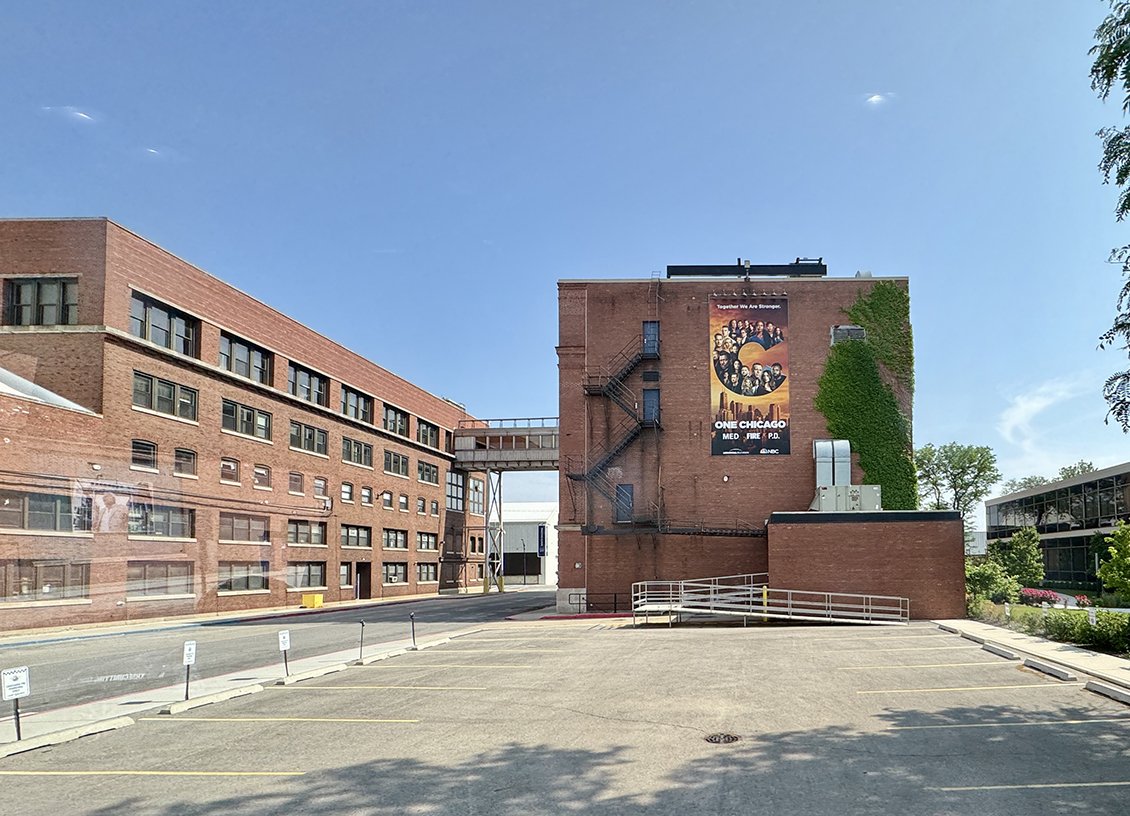
The campus itself blends industry with creativity. Warehouses hum with quiet energy, crews move with practiced efficiency, and the boundary between city and set blurs. DePaul Cinespace Studios adds an academic dimension, offering a state-of-the-art facility for emerging filmmakers. Even from the outside, the site hints at the stories being shaped within. It speaks to Chicago’s ability to reinvent its industrial past into a modern creative engine without losing its edge.
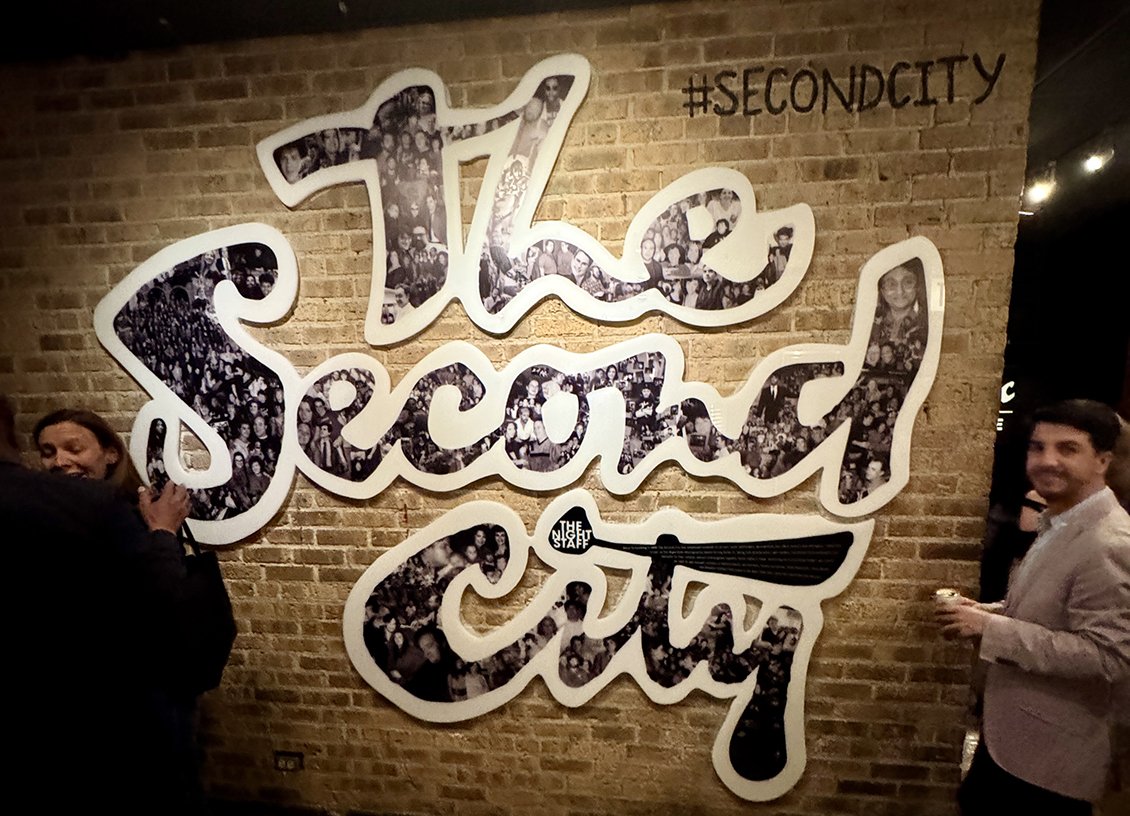
Laugh Out Loud at The Second City
Laughter has a long lineage in Chicago, and The Second City stands at its center. Since opening in 1959, this improvisational theater has helped shape comedy across generations, launching performers who went on to redefine film and television. Yet the heart of The Second City remains its live performances, where sketches and improv unfold with sharp timing and fearless wit.
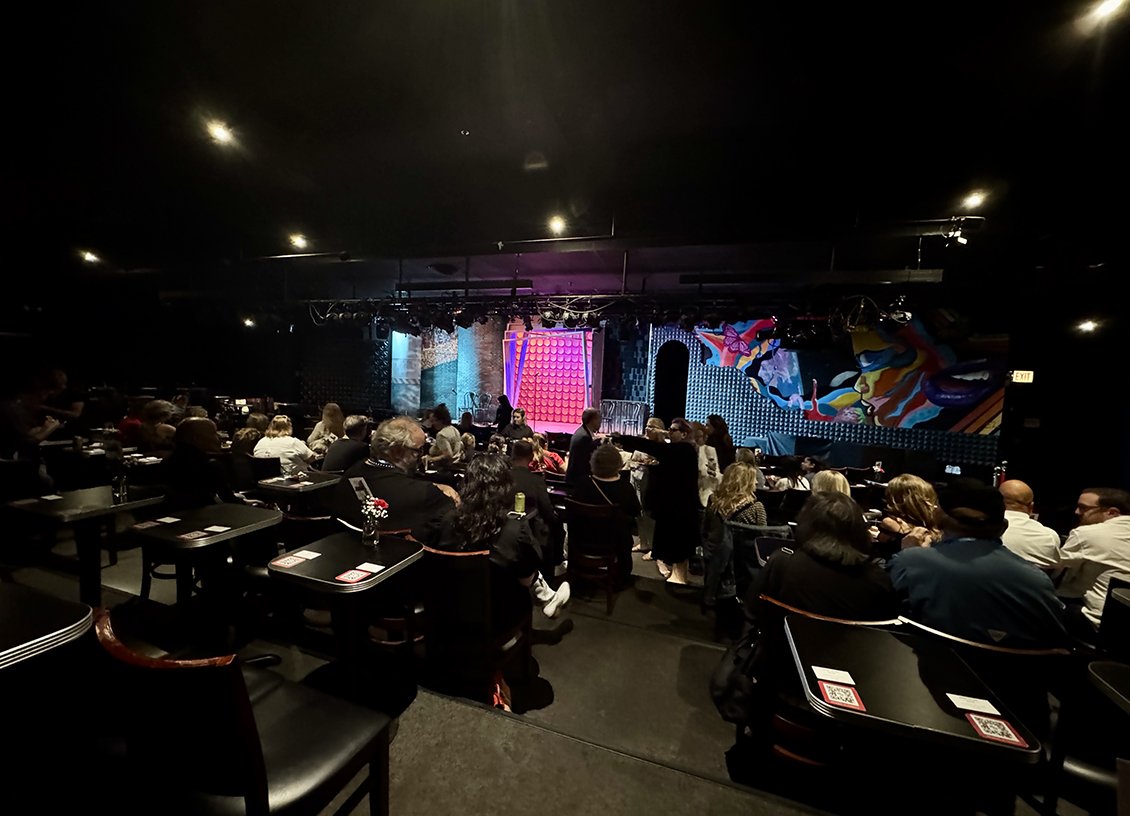
The theaters feel intimate, creating a direct connection between performers and audience. Humor here leans observant and smart, often pulling inspiration from everyday moments and current events. No two nights are the same. The joy comes from watching ideas take shape in real time, occasionally wobble, then land with precision. Spending an evening at The Second City offers insight into Chicago’s creative spirit, confident, self-aware, and always ready to laugh at itself.
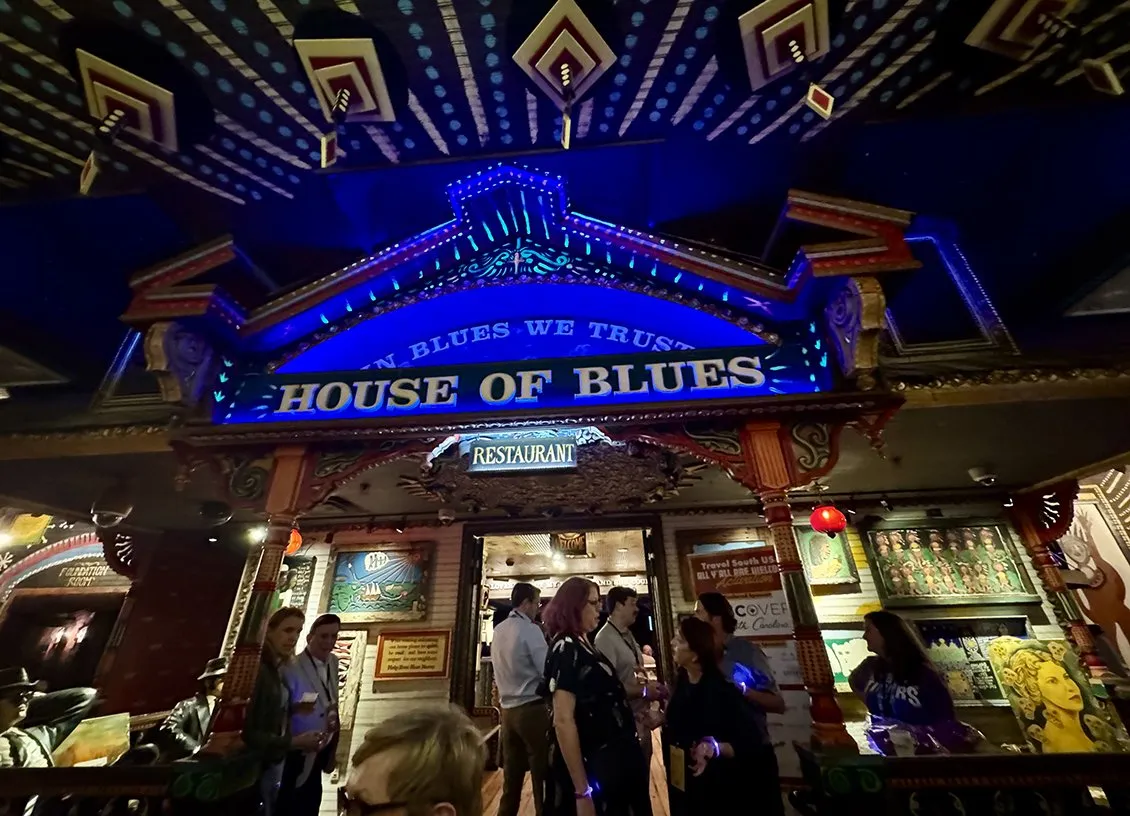
Feel the Rhythm and Soul at the House of Blues
Music flows easily through Chicago, and House Of Blues channels that energy with warmth and grit. Part concert venue, part restaurant, it blends live performances with Southern-inspired dishes that invite lingering. The walls tell stories through art and photographs, while the stage hosts a rotating lineup that spans blues, rock, soul, and beyond.
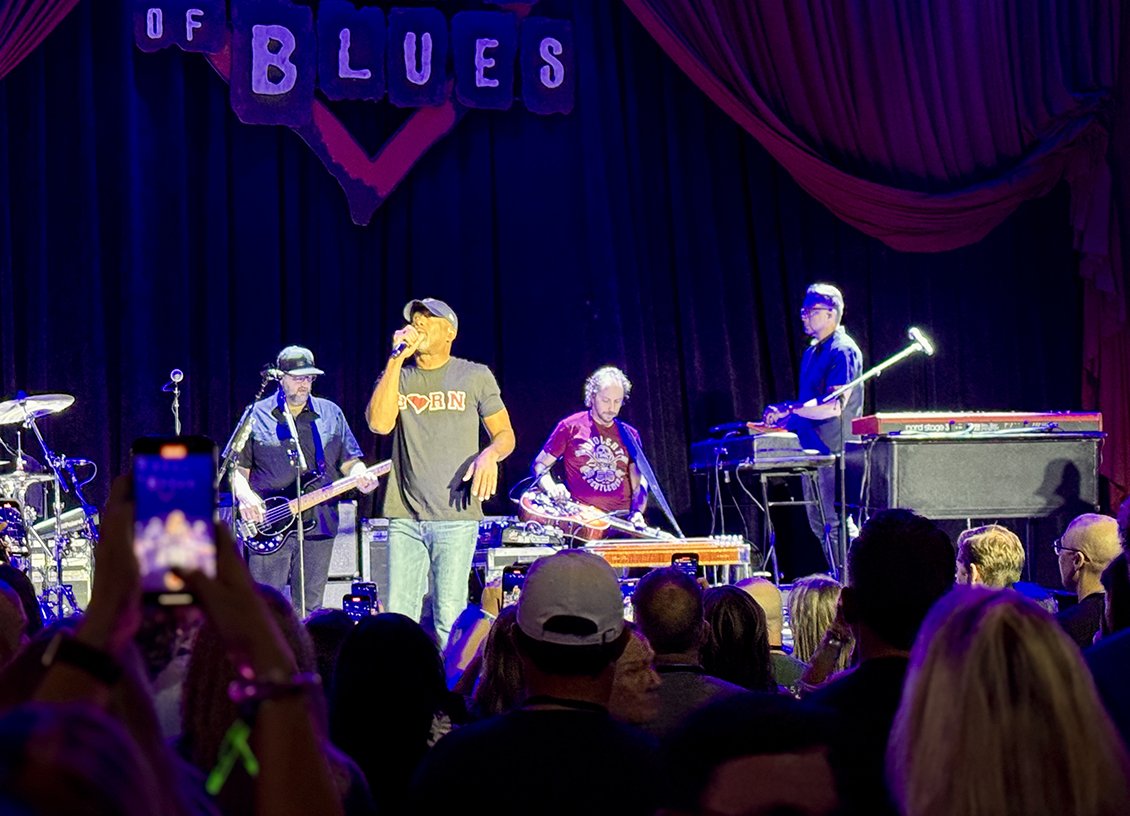
A night here often begins with dinner and ends with the crowd pressed close to the music, moving together as the room fills with sound. The intimacy of the space amplifies every note, making performances feel personal rather than polished. It is the kind of place where strangers strike up conversations and shared rhythm dissolves any distance. House Of Blues reflects Chicago’s musical roots while welcoming new voices, keeping the experience grounded and alive.
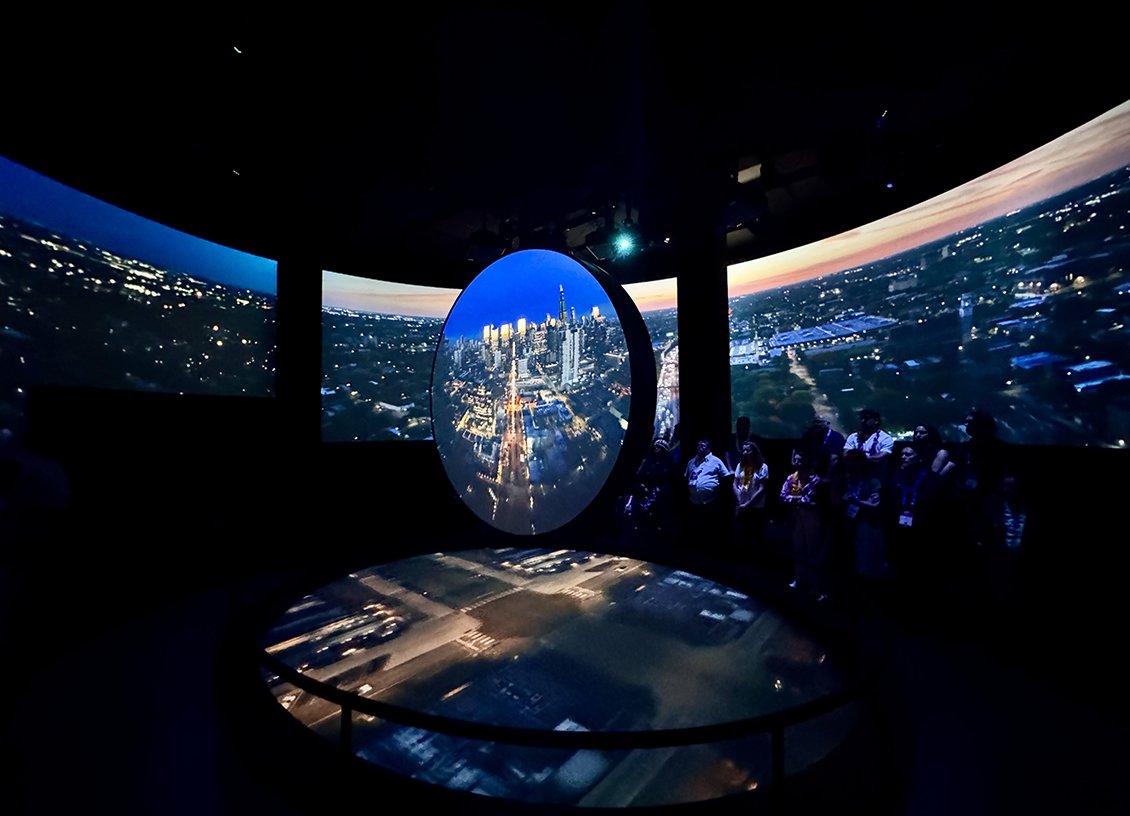
Soar Above the City with FlyOver Chicago
Inside Navy Pier, Flyover Chicago offers a different way to see the world. This immersive attraction lifts visitors into a suspended seating experience that simulates flight, combining sweeping visuals with motion, sound, and scent. The sensation of soaring over iconic landscapes feels surprisingly visceral, drawing gasps and quiet awe from the audience.
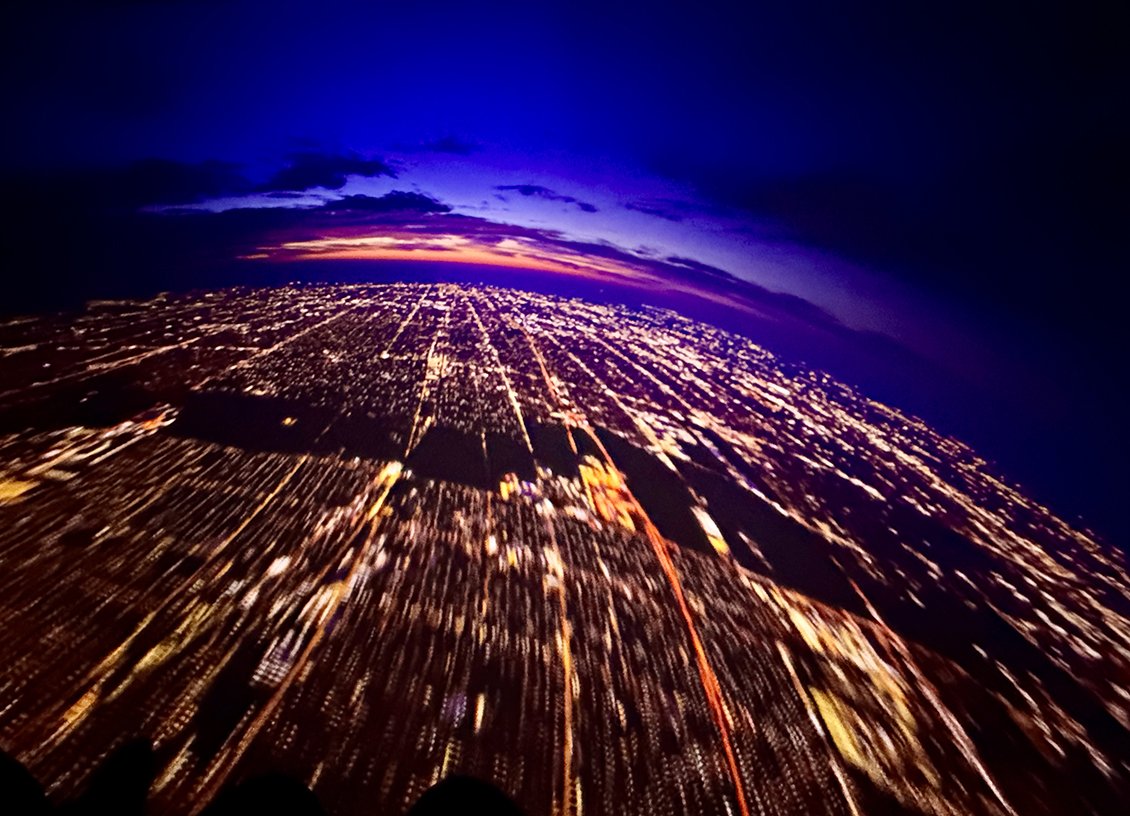
The stories woven into the journey emphasize connection, both to place and to the people who inhabit it. As the ride glides from one vista to the next, the city outside seems to momentarily fade, replaced by a broader sense of scale and wonder. Emerging back onto the pier, Lake Michigan stretches out ahead, grounding the experience once more in Chicago’s waterfront setting.

Chicago reveals itself through moments like these, layered and varied, grounded in history yet always in motion. From ivy-lined ballparks to reflective sculptures, from laughter-filled theaters to immersive flights, the city offers experiences that linger long after the day ends.
As evening settles and lights flicker on along the river and the lake, Chicago feels both expansive and familiar. Its stories are written in steel, stone, sound, and shared experience, waiting quietly for the next visitor to step in and add their own chapter.

Craig Silva
Craig is a passionate and seasoned travel, food, and lifestyle writer, whose words paint vivid pictures of the world's most captivating destinations. His work not only inspires others to embark on their own adventures but also fosters a deep appreciation for the beauty and diversity of our world. He captures the essence of each locale, offering readers a glimpse into the cultures, landscapes, cuisine, and experiences that make travel so enriching. Craig is a member of the Society of American Travel Writers (SATW) and the International Travel Writers Alliance (ITWA). If you are a PR agency or brand and would like Craig to review a travel destination, vehicle, restaurant, product or service, please send him an email.
Recommended Posts

Better Travel Photos Without a Huge Camera
23 Oct 2026 - Travel

